Movepath
Blog
Tips, guides and motivation for push-ups and strength training.
Can't do a push-up yet? The ladder from the wall to the floor, a 4-week plan for beginners and the mistakes that cost the most time.
How many push-ups are normal? The benchmark table by age and gender, the test rules, the 40-rep mark from the Harvard study and your next level.
How many calories do 100 push-ups burn? Here is how to calculate it for your weight – and why push-ups still count when you are losing weight.

What cold training really does according to research and what only sounds good: effects of cold showers, ice baths, cold plunges and winter swimming, a starter plan from 30 seconds, the key safety rules – and how to track your cold sessions in Movepath.

666 reps during Halloween week, October 25 to 31: the daily plan, easier and harder variations, a spooky circuit for the evening and how to start the challenge with friends in Movepath.
Pushup Tracker is now called Movepath. Why this name, what changes for you – new address movepath.app, new name in the Android app – and what is guaranteed to stay: your account, your entries, your streak and the price of zero euros.
Pushup Tracker got its name because the app started with push-ups. Now the camera counts squats and pull-ups too, in half of the ten training plans push-ups are just one exercise among many, and the exercise wiki has 40 entries. Why the name no longer does it justice, what changes — and what definitely stays the same.
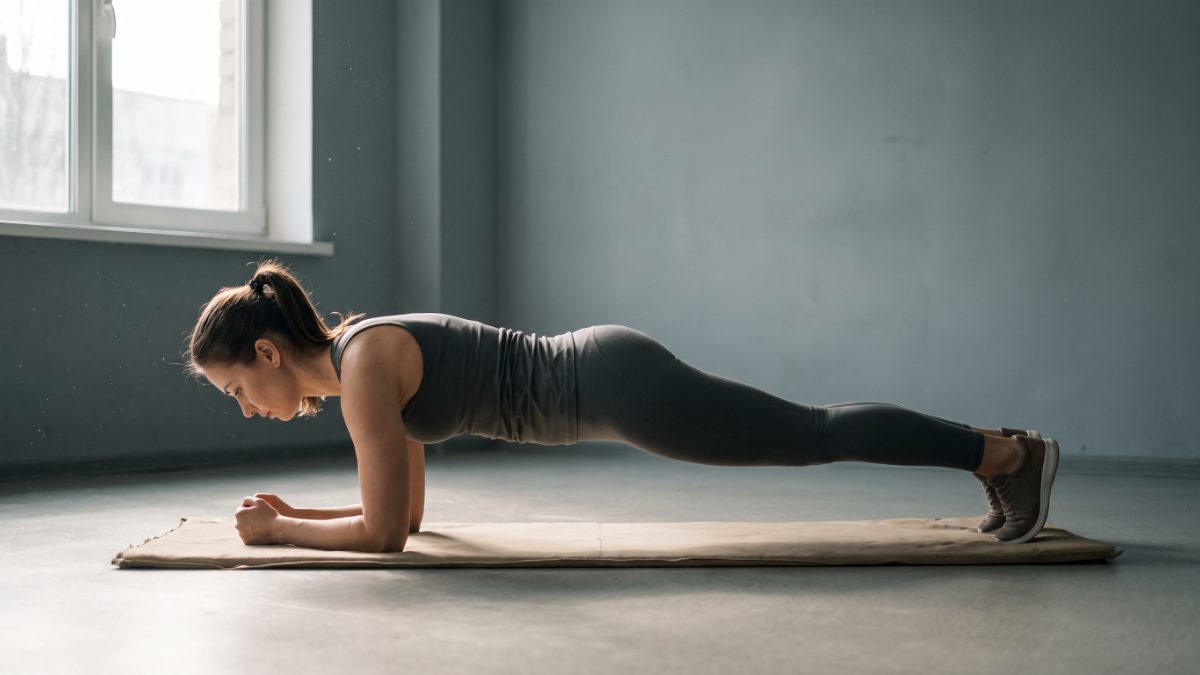
The core is not a six-pack, it is a stabilization system. What spine research says about sit-ups, the four jobs of the core, Stuart McGill's "Big Three," and a progression from your first plank second to the hollow hold.
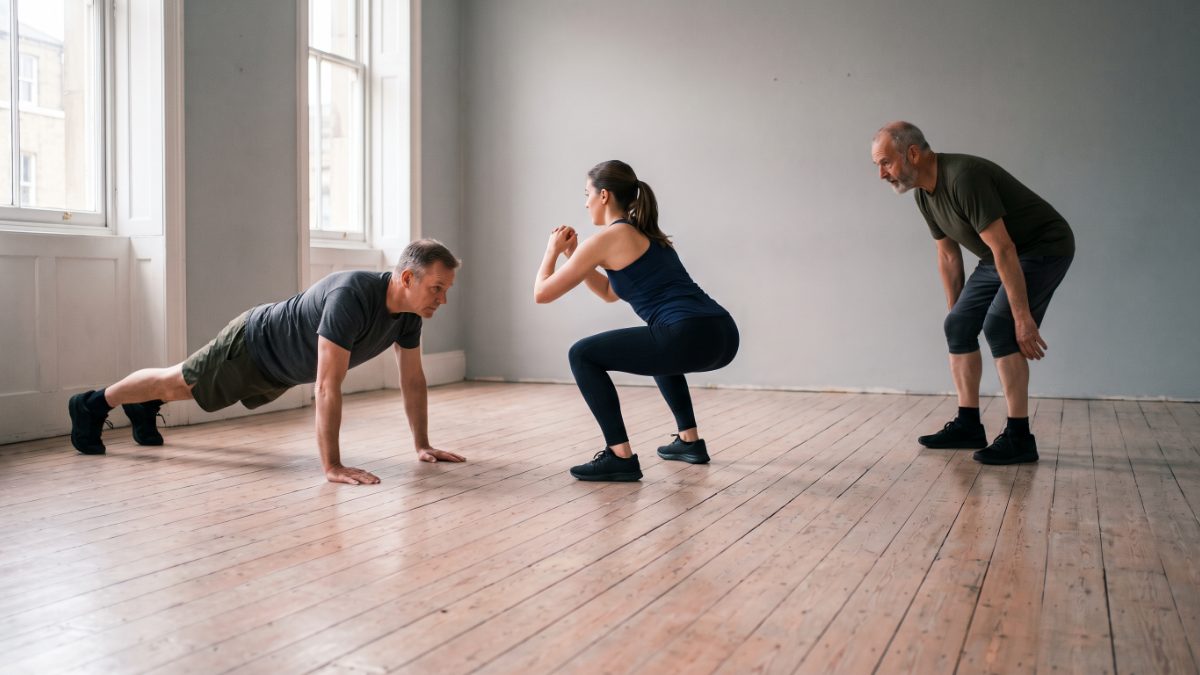
Push, pull, squat, hinge, core, endurance — cover these six patterns and your training is complete. Why the model comes from movement science, how to apply it without a gym, and what a balanced week looks like.

Intervals or easy steady-state training — the debate is old, but the answer is both. What VO₂max says about your life expectancy, what happens in your muscles during Zone 2, why HIIT is so efficient, and how to fit both into one week.
The pull-up is the king exercise for back, arms, and grip strength — and initially out of reach for most beginners. Anatomy, why it is so hard, the five progression stages, and an 8-week roadmap.

Training is the stimulus, recovery is the adaptation. What sleep deprivation does to muscle growth, strength, and injury risk, how supercompensation works, how to spot overtraining, and a recovery protocol for athletes with a real life.
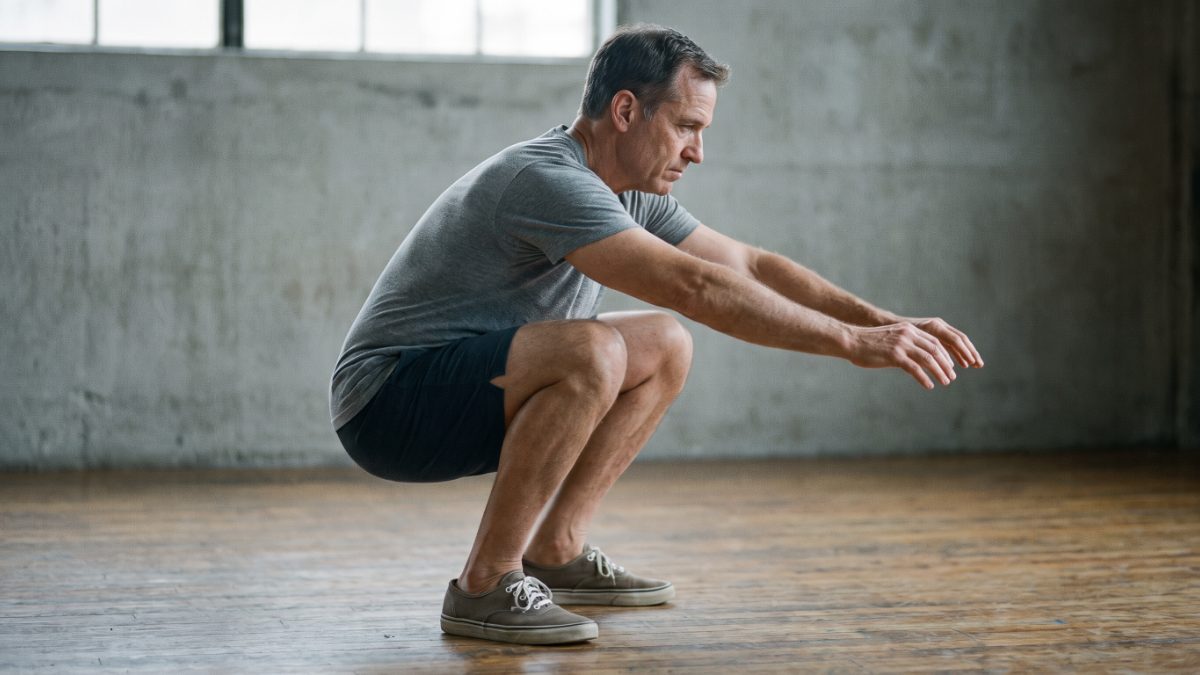
The squat is the most important exercise for legs, hips, and daily life in old age. Anatomy, what the research says about depth and "knees over toes," the most common mistakes, and a progression from the chair squat to single-leg variations — no equipment needed.
Can you build muscle without dumbbells? Yes — under three conditions. The studies comparing push-ups to bench press, the rep-range continuum, and a concrete plan for progressive overload without any weights.

Who invented the push-up? A journey from Indian wrestling schools through the German gymnastics movement and 20th-century military tests to 46,001 reps in 24 hours and the 2019 Harvard study.
Chest, triceps, shoulders — and half a dozen silent helpers. What the research actually knows about muscle activation, moved bodyweight, and hand positions during push-ups.
Wrist, shoulder, elbow, or lower back — almost every push-up pain has a mechanical cause. Anatomy, the most common triggers, a pain traffic-light, and a 10-minute prehab routine.
Bad form costs you reps, progress, and sometimes your shoulder. The most common push-up mistakes, with concrete fixes for each.
Women can do the same push-ups as men — the progression often just looks different. Anatomy, myths, and a realistic 4-week starter plan.
Inhale on the way down, exhale on the way up, core tight. Only on a max-effort set do you briefly hold your breath. This is how you get more push-ups out of every set.

A 2019 JAMA study put push-up capacity on the cardiovascular-risk map. Here is what the data actually said, what it did not, and how to use it for your own training.
Can the Wim Hof Method really boost push-up performance and recovery? A research-based look at the breathing protocol, cold exposure, and what the evidence actually shows.

Push-ups after 40: what changes in your body, how to train in a joint-friendly way, why warming up becomes a must — and a realistic starter plan.
This structured 30-day challenge helps you increase your push-up count step by step – from week 1 to the final test on day 30.
10 push-up variations from easy to hard: knee, elevated, diamond, decline, pike, archer and more — which muscles they train and how they break plateaus.

Why logged push-ups grow faster: what a tracker gives you over gut feeling, and how streaks and personal bests keep you going.
What happens when you do push-ups every day? Effects on strength, posture and mood, how many per day make sense and how to make the habit stick.
Doing more push-ups: the 6-week plan from 0 to 100, clean technique, proper recovery and what really helps against plateaus.